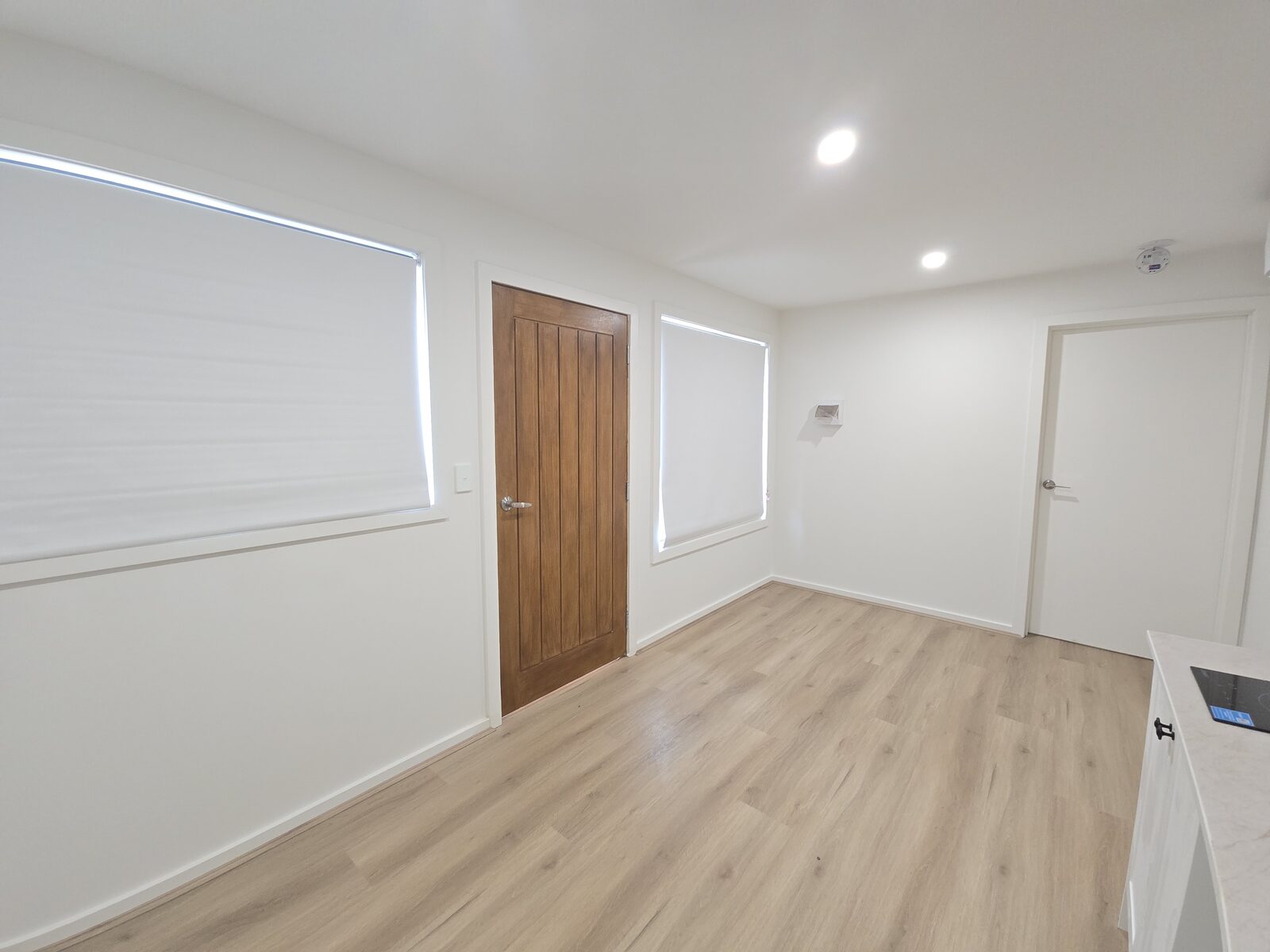
Write the proposed product in physical terms
Specify rooms, bathrooms, level arrangement, access, outdoor area, parking, approximate age and condition. If the comparison targets a single-level dwelling on the ground, say so. Do not rely on “unit” as a universal physical definition across advertisements.
Keep the intended title arrangement separate from the building form. A ground-level dwelling can still have shared land or owners corporation obligations. An attached backyard dwelling and a separately transferable unit answer different ownership questions even when their layouts resemble each other.
Inspect properties before you buySmall second homes: planning and building framework
Use evidence to classify the building form
Review the relevant floor plan, dated sale description and photographs for internal stairs, upper-level placement and the relationship to the ground. Where the form cannot be established, put the sale in an unverified group rather than describing it as confirmed single level.
Exclude or separately label apartments, multi-level products and retirement accommodation if they do not match the question. Record the reason so a reviewer can reproduce the selection. This is a product-matching decision, not a judgment about the value of those other property types.
Treat external material as a separate evidence field
If a study compares a particular external material family, retain the observation and its certainty. Render can conceal the underlying wall system; a photograph of one elevation may not show a mixed-material building. Ask what the source can actually establish.
A material filter should explain which target product it is trying to match. It does not establish structural performance, building compliance or replacement cost. Those questions need the relevant specification and project assessment. Avoid turning an image classification into a technical certificate.
Know where the sale price came from
Record the sale date, price source and whether the price was publicly disclosed. Asking prices, unpublished licensed prices, sale-guide ranges and published transaction amounts are distinct evidence types. Keep them distinct in your own comparison sheet.
Use only material you are entitled to access and reproduce. A tool may expose a public aggregate without granting permission to republish every underlying record. An auditable source note can be useful without copying a proprietary transaction extract into a public presentation.
Check the complete scope behind the comparison
Compare usable accommodation, outdoor works, condition, services and ownership obligations. If your quote covers a building while the comparable price covers land and a completed property, the figures have different denominators. Write that distinction alongside the numbers.
Use the comparable as one input to a feasibility review with documented assumptions. It cannot promise the exit price or establish a separately saleable title for a small second dwelling. Check the project’s intended use and approval position independently.
Documents to take to the next conversation
- Physical product brief including level arrangement and outdoor space.
- Confirmed, excluded and unverified building-form groups.
- Price type, date and reproducible permitted source note.
- Scope and title differences listed next to the comparable.
Questions owners ask
Are all two bedroom, two bathroom units comparable?
No. Check level arrangement, access, land, condition, outdoor space and ownership structure. Keep other forms separate when they do not match the proposed product.
Can a unit sale prove a granny flat will sell separately?
No. Similar accommodation does not establish the same title or planning position. Victoria’s small second home guidance states that the small second home cannot be subdivided and separately sold from the main home.